
Introduction
Global climate change is driving the need for clean, efficient and sustainable energy sources. Renewable energy comes as a strategic solution to reduce dependence on fossil fuels that are limited and pollute the environment. In the context of higher education, an in-depth understanding of renewable energy technologies and systems is an important focus, as offered by Telkom University’s Bachelor of Energy Systems Engineering.
As a leading study program, Telkom University’s Bachelor of Energy Systems Engineering not only teaches basic energy theory, but also equips students with practical skills and cutting-edge research in the field of renewable energy. This article will review seven advantages of renewable energy that you need to know, as well as provide an overview of why choosing Telkom University is the right step towards a sustainable energy future.
An Inexhaustible Source of Energy
Renewable energy comes from natural resources that will not run out in the near future, such as:
- Solar
- Wind
- Hydropower
- Geothermal
- Bioenergy
This sustainability is an added value compared to fossil fuels such as coal and oil, which have limited reserves.
Environmentally Friendly and Reduces Carbon Emissions
The use of renewable energy can significantly reduce greenhouse gas emissions. This is an important step in tackling global warming and the climate crisis.
Environmental benefits:
- Does not produce air pollution
- Does not cause acid rain
- Does not produce radioactive waste
Renewable energy is a key foundation in the global energy transition to net zero emissions.
Reducing Dependence on Energy Imports
Indonesia still imports most of its fuel oil. Renewable energy paves the way for national energy independence by utilizing local potential in various regions.
Local advantage:
- Microhydro in mountainous areas
- Solar generation in tropical regions
- Wind in coastal areas
In other words, renewable energy promotes decentralization and democratization of the energy system.
Improving National Energy Security
Diversification of energy sources will strengthen Indonesia’s energy security system. Renewable energy provides flexibility to the generation system and reduces the risk of outages due to fuel limitations.
Systemic advantages:
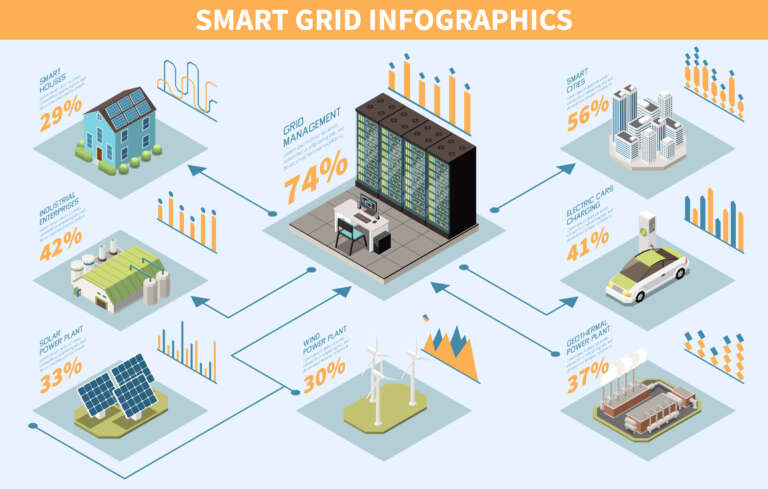
- Can be combined with batteries and smart grids
- Suitable for remote and off-grid areas
In S1 Energy Systems Engineering Telkom University, students study the integration of modern energy systems such as hybrid power systems and microgrids.
Lower Long-Term Operating Costs
While the initial investment in renewable energy is high, the operational and maintenance costs tend to be low. For example:
- Solar energy: no fuel required
- Wind energy: low maintenance cost
- Biomass: can use local organic waste
It is this long-term cost efficiency that makes renewable energy investments so promising.
Protecting Ecosystems and Biodiversity
Renewable energy can protect natural habitats, reduce pollution and maintain biodiversity if managed properly. For example, wind and solar energy do not require excavation of land or burning of ecosystem-damaging fuels.
Reducing Energy Dependence from Abroad
The country can reduce its dependence on fossil fuel imports by utilizing domestically available renewable energy sources. This increases national energy security and reduces the risks associated with changing fuel prices and geopolitical tensions.
Want to be part of the future energy solution?
Enroll now in Telkom University’s Bachelor of Energy Systems Engineering and become a global energy expert.
Reference :
Wisriansyah, S. Z., Purba, D., & Napitu, A. (2020). Keunggulan, Tantangan, dan Rekomendasi Kebijakan akan Pengembangan Energi Panas Bumi di Indonesia. Jurnal Nasional Pengelolaan Energi MigasZoom, 2(2), 31–46. https://doi.org/10.37525/mz/2020-2/263
Tags : S1 Teknik Sistem Energi | Teknik Sistem Energi
Author: Rasyifa Putri Raidah – Directorate of Information Technology Center